
Choose a mirrorless camera based on your photography needs and budget. Consider factors like sensor size, lens compatibility, and autofocus performance.
Selecting the right mirrorless camera can significantly enhance your photography experience. With numerous options available, it’s essential to understand what features align with your goals. Mirrorless cameras offer advantages such as lightweight designs, silent shooting, and excellent video capabilities. Many models boast interchangeable lenses, allowing for versatility in various shooting conditions.
Evaluate your skill level, whether you’re a beginner or a professional, to find a model that fits your expertise. Pay attention to user reviews and comparisons, as they can provide insights into real-world performance. Making an informed choice ensures you capture stunning images and enjoy your creative journey.
The Rise Of Mirrorless Cameras
Mirrorless cameras are changing the photography landscape. They offer advanced features in compact bodies. Photographers love their versatility and performance.
Why They’re Gaining Popularity
Many factors contribute to the popularity of mirrorless cameras:
- Lightweight Design: Smaller and lighter than DSLRs.
- Faster Autofocus: Many models have superior autofocus systems.
- Silent Shooting: Ideal for quiet settings or events.
- Video Capabilities: Excellent for videographers.
- Interchangeable Lenses: Wide variety of lens options.
Key Differences From Dslrs
Understanding the differences can help in choosing the right camera:
| Feature | Mirrorless Cameras | DSLRs |
|---|---|---|
| Size and Weight | More compact | Bulkier |
| Autofocus Speed | Faster in many cases | Generally slower |
| Viewfinder Type | Electronic | Optical |
| Battery Life | Shorter | Longer |
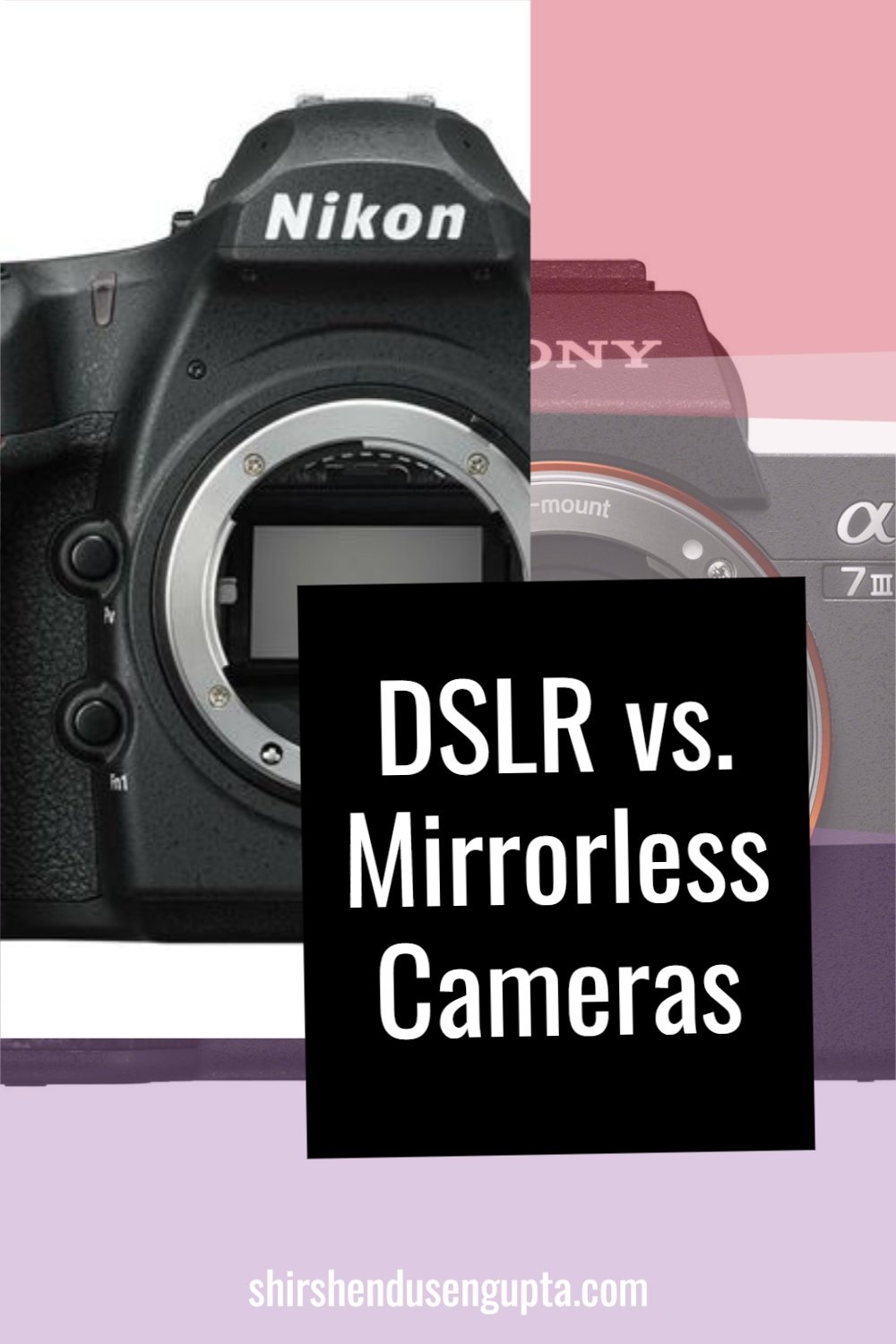
Choosing between mirrorless and DSLR depends on your needs. Each type has unique advantages. Understand what features matter most for your photography style.
What To Consider Before Buying
Choosing a mirrorless camera requires careful thought. Consider your needs and budget first. Making the right choice enhances your photography experience.
Budget Constraints
Establishing a budget is crucial. Mirrorless cameras vary widely in price. Here are some key points:
- Entry-level models start around $400.
- Mid-range options can cost between $800 and $1,500.
- High-end cameras may exceed $2,000.
Remember to factor in extra costs:
- Lenses
- Memory cards
- Camera bags
- Tripods
- External flashes
Be clear about your budget before shopping. This helps narrow your choices.
Photography Needs
Your photography style influences your choice. Define what you want to capture:
- Portraits
- Landscapes
- Sports
- Wildlife
- Travel
Different needs require specific features:
| Photography Type | Key Features |
|---|---|
| Portraits | Fast autofocus, good low-light performance |
| Landscapes | High resolution, wide dynamic range |
| Sports | High frame rate, fast shutter speed |
| Wildlife | Long zoom lens, good battery life |
| Travel | Compact size, lightweight |
Choose features that match your photography needs. This ensures the camera meets your expectations.
Sensor Size Explained
Understanding sensor size is crucial for choosing a mirrorless camera. It affects image quality, depth of field, and lens compatibility. Here, we explore the differences between sensor sizes and their impact on your photography.
Full Frame Vs. Crop Sensors
Camera sensors come in various sizes. The two most common types are:
- Full Frame: This sensor is equivalent to a 35mm film frame. It captures more light and details.
- Crop Sensors: These are smaller sensors, often referred to as APS-C. They crop the image, resulting in a narrower field of view.
| Feature | Full Frame | Crop Sensor |
|---|---|---|
| Size | 36mm x 24mm | 22mm x 15mm |
| Field of View | Wider | Narrower |
| Low Light Performance | Better | Good |
| Price | Higher | Lower |
Impact On Image Quality
Sensor size significantly affects image quality. Here are key points:
- Dynamic Range: Full frame sensors usually offer better dynamic range. This helps in capturing details in shadows and highlights.
- Noise Levels: Larger sensors produce less noise. This is especially important in low light situations.
- Depth of Field: Full frame sensors provide a shallower depth of field. This creates beautiful background blur.
Investing in a full frame camera offers superior image quality. However, crop sensors are great for beginners. They provide good quality at a lower price.
Credit: www.crutchfield.com
Lenses And Compatibility
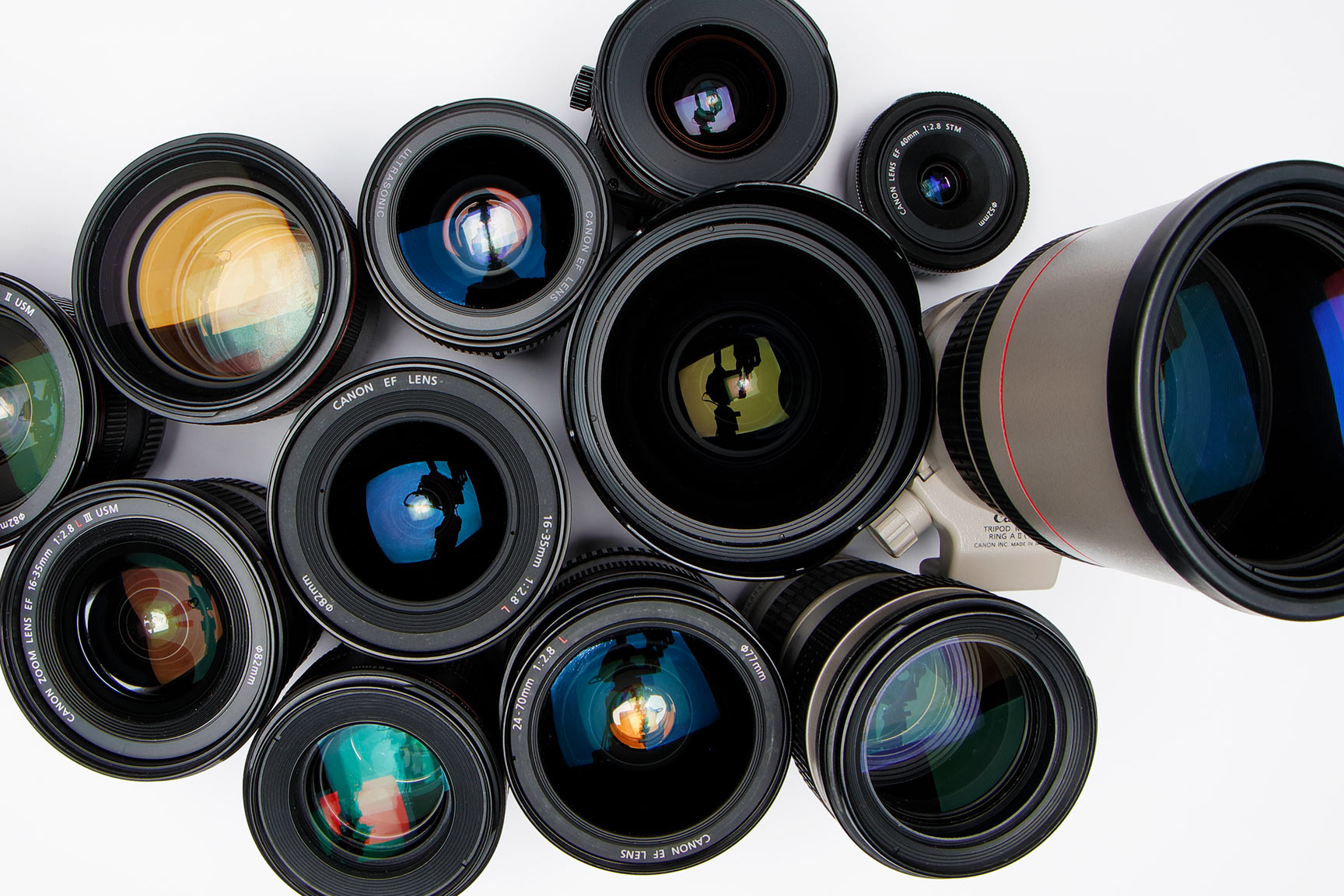
Choosing the right lenses is crucial for your mirrorless camera experience. Lenses affect image quality, versatility, and creative expression. Compatibility between your camera and lenses ensures you can achieve the desired effects.
Choosing The Right Lenses
Selecting the right lens depends on your photography style. Consider the following factors:
- Focal Length: This affects composition and subject size.
- Aperture: Affects light intake and depth of field.
- Image Stabilization: Helps reduce blur in low light.
- Weight: Lighter lenses are easier to handle.
Common types of lenses include:
| Lens Type | Features |
|---|---|
| Standard Zoom | Versatile for everyday photography. |
| Prime | Sharp images with a fixed focal length. |
| Wide-Angle | Great for landscapes and architecture. |
| Telephoto | Perfect for wildlife and sports photography. |
Adapters And Third-party Options
Adapters allow you to use different lenses on your mirrorless camera. They expand your lens choices significantly. Consider these options:
- Brand Adapters: Designed for specific camera brands.
- Universal Adapters: Work with various lens types.
Third-party lenses offer budget-friendly alternatives. Popular brands include:
- Tamron
- Sigma
- Samyang
Ensure compatibility by checking:
- Mount type
- Autofocus functionality
- Image stabilization features
Autofocus Performance
Autofocus performance is crucial for mirrorless cameras. It impacts how quickly and accurately the camera focuses on subjects. A good autofocus system enhances the overall shooting experience.
Speed And Accuracy
Speed and accuracy are vital for capturing the perfect shot. A fast autofocus system locks onto subjects quickly. Accurate focusing ensures clear images.
- Phase Detection: Fast and effective in bright light.
- Contrast Detection: Accurate, but slower in low light.
- Hybrid Systems: Combines both methods for best results.
| Type of Autofocus | Speed | Accuracy |
|---|---|---|
| Phase Detection | High | Moderate |
| Contrast Detection | Low | High |
| Hybrid | High | High |
Low Light Capabilities
Low light capabilities greatly affect autofocus performance. Cameras with strong low light autofocus work well in dim conditions. This feature is crucial for night photography or indoor shooting.
- Low Light Sensors: Enhance focusing ability in darkness.
- Lens Aperture: Wider apertures allow more light, improving focus.
- ISO Performance: Higher ISO settings help capture details.
Test autofocus in various lighting conditions. Ensure the camera performs well in low light. This will help you choose the best mirrorless camera for your needs.
Video Capabilities
Choosing the right mirrorless camera involves understanding its video capabilities. Video quality can make a big difference in your projects. Focus on resolution and frame rates, as well as advanced video features.
Resolution And Frame Rates
Resolution determines how clear your video will be. Common resolutions include:
- Full HD (1080p) – Good for most uses.
- 4K (2160p) – High quality, great for professional work.
- 8K – Top-notch detail, still rare.
Frame rates affect motion smoothness. Higher frame rates allow for smoother video. Typical frame rates include:
| Frame Rate | Use Case |
|---|---|
| 24 fps | Standard for movies. |
| 30 fps | Common for YouTube. |
| 60 fps | Great for action shots. |
| 120 fps | Perfect for slow motion. |
Advanced Video Features
Advanced features can enhance your video work. Look for:
- Log Profiles – Capture more dynamic range.
- Slow Motion – Record at high frame rates.
- 4:2:2 Color Sampling – Better color quality.
- Focus Peaking – Helps with manual focus accuracy.
Other features to consider:
- Built-in Stabilization – Smooth out shaky footage.
- External Microphone Input – Improve audio quality.
- Dual Card Slots – Backup your recordings.
Check reviews and user experiences. This ensures you choose a camera that meets your needs.
Ergonomics And Design
Choosing a mirrorless camera involves considering its ergonomics and design. These elements impact comfort and usability. A good design enhances your photography experience. Let’s explore two important factors: body size and weight, and button layout and customization.
Body Size And Weight
The body size and weight of a mirrorless camera affect how you use it. A lighter camera is easier to carry. A compact size makes it more portable.
- Compact Models: Great for travel and street photography.
- Full-Frame Models: Heavier but offer better image quality.
Consider your shooting style:
- Are you shooting for long hours?
- Will you carry it on hikes?
Choose a body size and weight that suits your needs. Test a few models in-store. Feel how they balance in your hands.
Button Layout And Customization
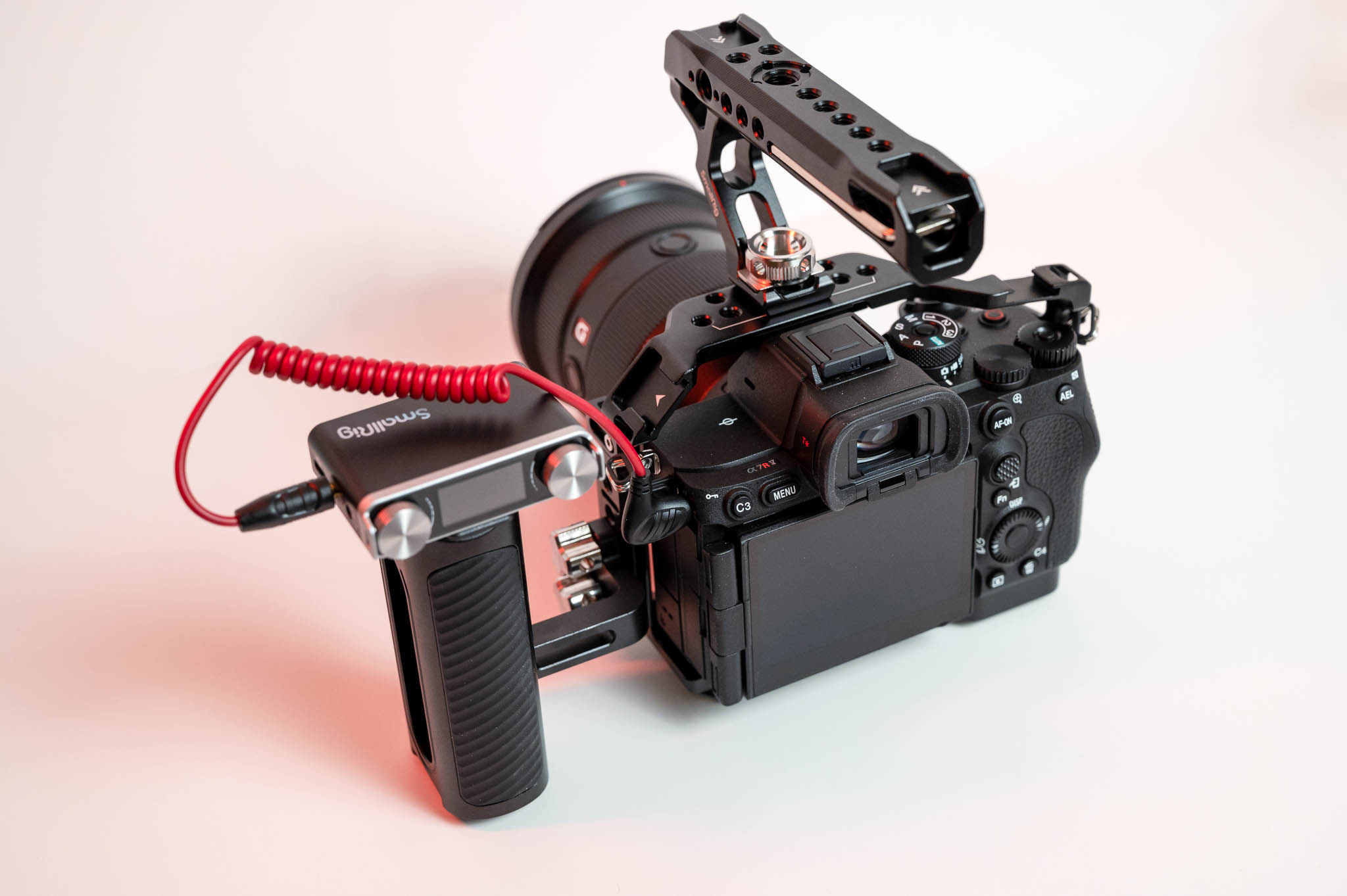
Button layout plays a big role in usability. A well-organized layout allows quick adjustments. Customization options can enhance your shooting experience.
| Feature | Benefit |
|---|---|
| Custom Buttons | Assign frequently used settings for quick access. |
| Dials and Switches | Easy adjustments for aperture and shutter speed. |
Look for:
- Intuitive button placement.
- Customizable controls for personal preferences.
Test how it feels to change settings. A comfortable layout improves your workflow.
Credit: shirshendusengupta.com
User Experience And Connectivity
Choosing a mirrorless camera involves understanding user experience and connectivity. These factors greatly affect your photography journey. A smooth experience enhances creativity. Connectivity options expand your shooting capabilities.
Touchscreen And Menus
A responsive touchscreen makes navigation simple. Look for cameras with user-friendly menus. Quick access to settings saves time. Here are key features to consider:
- Size: A larger screen is easier to use.
- Responsiveness: Check how fast the screen reacts.
- Customization: Ability to customize settings is crucial.
- Menu Layout: Clear organization helps find options quickly.
Some cameras offer tilting or articulating screens. This feature is great for creative angles. Always test the interface before buying.
Wireless Connectivity Options
Wireless features enhance your camera’s versatility. Look for these options:
| Connectivity Type | Benefits |
|---|---|
| Wi-Fi | Share photos instantly with your phone. |
| Bluetooth | Maintain a constant connection for easy transfers. |
| NFC | Tap to connect with devices quickly. |
Check if the camera has a companion app. Apps allow remote control and easy sharing. Cloud storage is also a bonus. This keeps your images safe and accessible.
Credit: photographylife.com
Frequently Asked Questions
What Should I Consider When Buying A Mirrorless Camera?
When choosing a mirrorless camera, consider sensor size, lens availability, and ergonomics. Look for a camera that fits your shooting style and budget. Assess its autofocus capabilities and video features if you plan to shoot video. Research user reviews to understand real-world performance.
How Do Mirrorless Cameras Compare To Dslrs?
Mirrorless cameras are generally lighter and more compact than DSLRs. They offer faster autofocus and continuous shooting speeds. However, DSLRs may have longer battery life and a wider selection of lenses. Ultimately, the choice depends on personal preference and shooting needs.
Are Mirrorless Cameras Good For Beginners?
Yes, many mirrorless cameras are designed with beginners in mind. They often feature user-friendly interfaces and automatic modes. This makes it easier for new photographers to learn. Look for models that offer helpful guides and tutorials to enhance your skills.
What Are The Advantages Of Mirrorless Cameras?
Mirrorless cameras provide faster shooting speeds and better video quality. They are also smaller and lighter, making them more portable. The electronic viewfinder allows for real-time exposure adjustments. Additionally, they usually have superior autofocus performance, especially for moving subjects.
Conclusion
Choosing the right mirrorless camera can elevate your photography skills. Consider factors like sensor size, lens options, and ergonomics. Always test different models to find what feels best in your hands. With the right choice, you’ll capture stunning images and enjoy the creative process.
Happy shooting!