
To choose an AV receiver, consider its features and compatibility with your devices. Research and read reviews from reputable sources to make an informed decision.
AV receivers are an essential component of any home theater system, serving as the hub for all audio and video sources. When selecting an AV receiver, it’s crucial to consider its features, such as the number of channels, power output, and compatibility with your devices.
You should also research the brand and read reviews from reputable sources to ensure you make an informed decision. With a little bit of research, you can find the perfect AV receiver to enhance your home theater experience.
Credit: www.themasterswitch.com
Introduction To Av Receivers
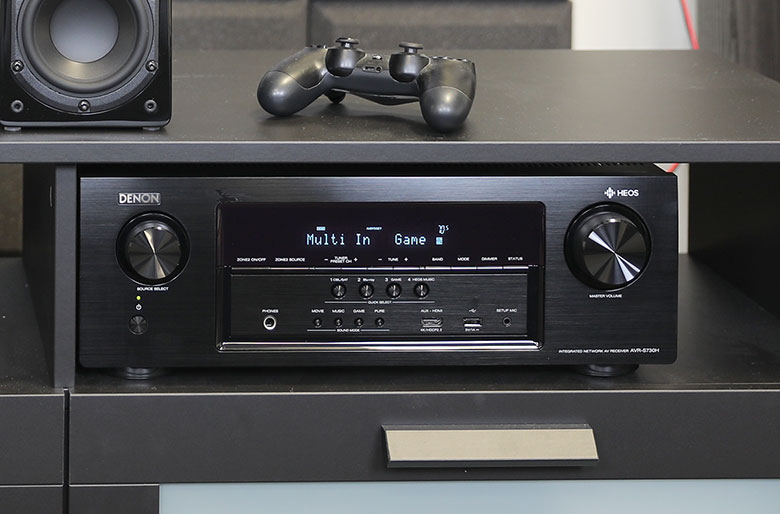
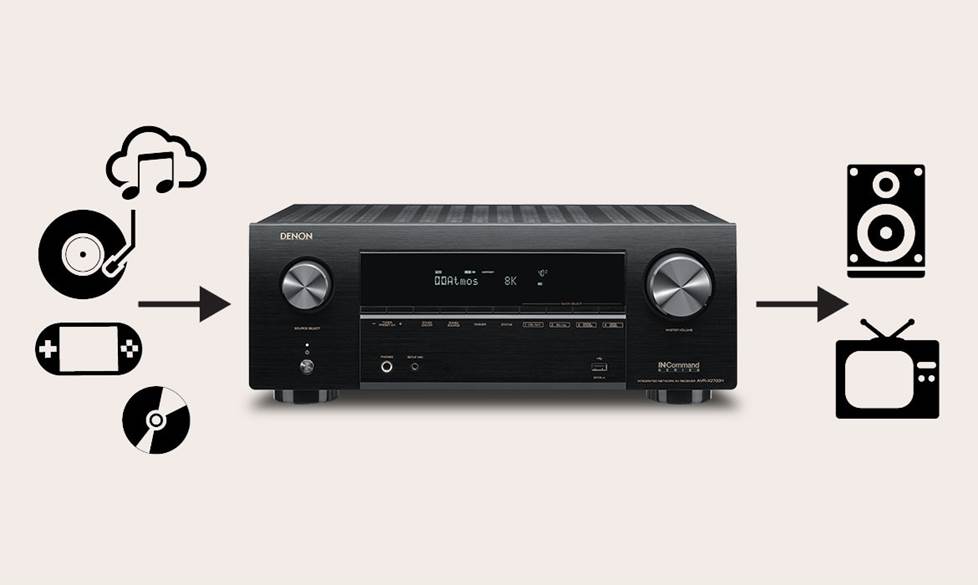
An AV receiver, also known as audio-video receiver, is the heart of a home entertainment system. It serves as a central hub for connecting various audio and video sources, such as Blu-ray players, gaming consoles, and streaming devices, and delivers high-quality sound and video to your speakers and display. This essential component is responsible for decoding and processing audio and video signals, providing a seamless and immersive viewing and listening experience.
The Role In Home Entertainment
AV receivers play a pivotal role in home entertainment setups, serving as the command center for audio and video components. They act as a bridge, connecting different devices and enabling them to work together harmoniously. By managing and distributing audio and video signals, these receivers ensure that you experience the full impact of your favorite movies, music, and games.
Evolving Technology And Features
With advancing technology, AV receivers continue to evolve, offering an array of features to enhance the home theater experience. From support for the latest audio and video formats to wireless connectivity and multi-room audio capabilities, modern AV receivers are equipped with a diverse set of functionalities. These advancements cater to the growing demand for high-definition audio, immersive surround sound, and seamless integration with smart home systems.
Credit: www.crutchfield.com
Core Features To Consider
When choosing an AV receiver, it’s crucial to focus on core features that will enhance your audio-visual experience. By considering the power output and channels, connectivity options, and supported audio formats, you can make an informed decision that aligns with your entertainment needs.
Power Output And Channels
Consider the power output and number of channels to ensure your AV receiver can deliver the desired audio performance. Look for receivers with sufficient wattage per channel to accommodate your speaker setup, whether it’s a 5.1, 7.1, or more advanced configuration.
Connectivity Options
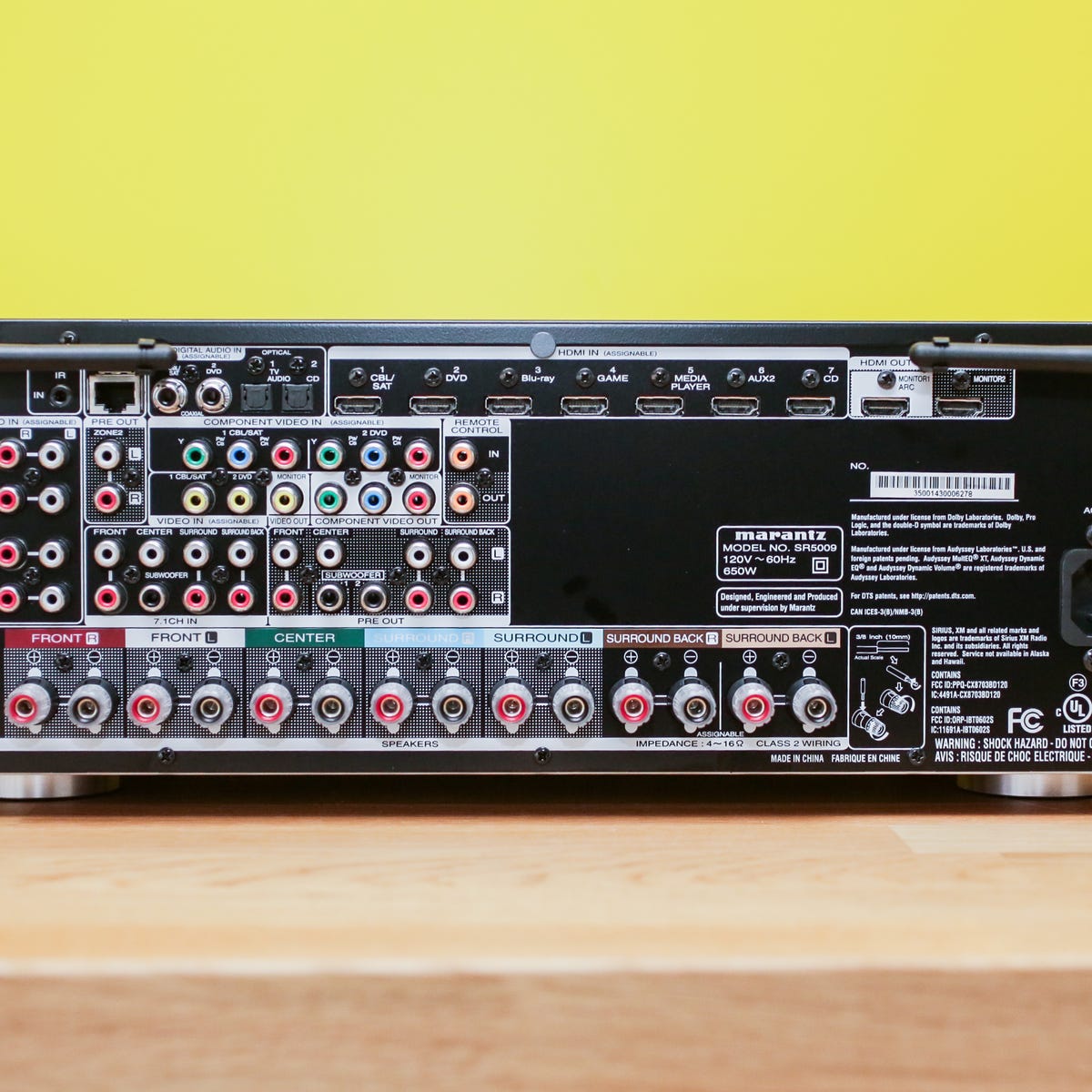
HDMI inputs and outputs, USB ports, Bluetooth, Wi-Fi, and Ethernet connections are essential connectivity options to look for in an AV receiver. These features allow seamless integration with various devices, from gaming consoles and Blu-ray players to streaming devices and smartphones.
Audio Formats Supported
Ensure the AV receiver supports a wide range of audio formats, including Dolby Atmos, DTS:X, Dolby TrueHD, and DTS-HD Master Audio. This ensures compatibility with high-definition audio content, delivering immersive surround sound for your home theater setup.
Understanding Surround Sound Formats
Choose the perfect AV receiver by understanding surround sound formats. With brief sentences and a variety of phrases, this guide will help you make an informed decision for an enhanced audio experience.
Dolby Atmos
Dolby Atmos is a revolutionary audio technology that brings a new level of immersive sound to your home theater experience. With Dolby Atmos, sound is no longer confined to just left and right channels or even surround sound speakers. Instead, it creates a three-dimensional audio environment where sound can be precisely placed and moved in a multidimensional space, including above and around you. This format introduces height channels, allowing sound to come from above, adding a new dimension to your audio experience. With Dolby Atmos, you can hear helicopters flying overhead, raindrops falling around you, or the subtle rustle of leaves as if you were right in the middle of the action.Dts:x
Similar to Dolby Atmos, DTS:X is another object-based audio format that delivers an immersive sound experience. It allows sound to be placed and moved anywhere in a three-dimensional space, including above and around the listener. DTS:X provides a highly realistic and dynamic audio experience, making you feel like you’re part of the movie or concert. With DTS:X, you can hear precise sound placement, whether it’s a car passing by, footsteps approaching from behind, or the reverberation of a concert hall. This format also supports upmixing, which means it can enhance the quality of non-object-based content, making it compatible with a wide range of audio sources.Auro-3d
Auro-3D is yet another immersive sound format that adds a vertical dimension to your audio setup. It utilizes height and overhead channels to create a true three-dimensional soundstage, enveloping you in a realistic audio experience. Auro-3D places sounds in a way that reflects how we naturally perceive sound in the real world. With Auro-3D, you can hear precise sound localization, allowing you to pinpoint the exact location of different audio elements. Whether it’s the sound of a bird chirping above you or a plane soaring through the sky, Auro-3D adds a level of realism that enhances your overall entertainment experience. In summary, understanding the different surround sound formats, such as Dolby Atmos, DTS:X, and Auro-3D, is essential when choosing an AV receiver. Each format offers a unique and immersive audio experience, allowing you to enjoy movies, music, and games like never before. So, consider your preferences and the capabilities of your home theater setup to determine which surround sound format best suits your needs.Video Capabilities
When it comes to choosing the perfect AV receiver, video capabilities play a crucial role in delivering an immersive home entertainment experience. The right AV receiver should offer top-notch video performance, supporting the latest technologies to enhance your viewing pleasure. Let’s explore the key video capabilities you should consider when selecting an AV receiver.
4k Support
In today’s era of high-resolution content, 4K is the new standard for video quality. A quality AV receiver should have 4K support, allowing you to enjoy stunning visuals with four times the resolution of Full HD. With 4K support, you can watch movies, shows, and games with incredible clarity and detail, bringing every scene to life.
8k Support
As technology continues to advance, 8K is emerging as the next frontier in video resolution. While 4K is currently the mainstream, an AV receiver with 8K support future-proofs your home theater setup, ensuring compatibility with upcoming 8K content. With 8K support, you can expect even sharper, more lifelike images that push the boundaries of visual excellence.
Hdr Support
High Dynamic Range (HDR) technology enhances the contrast and color accuracy of videos, resulting in a more vibrant and realistic viewing experience. An AV receiver with HDR support ensures that you can fully enjoy HDR content, whether it’s HDR10, Dolby Vision, or HLG (Hybrid Log-Gamma). With HDR support, you’ll witness breathtaking visuals with deeper blacks, brighter highlights, and a wider color spectrum.
Hdmi Standards
HDMI (High-Definition Multimedia Interface) is the standard for connecting audio and video devices. When selecting an AV receiver, it’s essential to consider the HDMI standards it supports. The latest HDMI standards, such as HDMI 2.1, offer increased bandwidth and support for advanced features like eARC (Enhanced Audio Return Channel) and Variable Refresh Rate (VRR). These features ensure seamless audio and video transmission, reducing input lag and delivering smooth, synchronized visuals.
In conclusion, when choosing an AV receiver, paying attention to its video capabilities is crucial. Look for support for 4K and even 8K resolutions, as well as HDR technology. Additionally, ensure that the receiver is equipped with the latest HDMI standards to future-proof your home theater setup. With the right video capabilities, you can create a truly immersive and visually stunning entertainment system.
Network Features And Streaming
When it comes to choosing an AV receiver, you’ll want to consider the network features and streaming capabilities that are available. With the rise of digital media and streaming services, having a receiver that is capable of connecting to your home network and streaming music and video is becoming more important than ever.
Wi-fi And Bluetooth Connectivity
One of the most important features to consider when choosing an AV receiver is its connectivity options. Wi-Fi and Bluetooth connectivity are both essential for streaming media from your smartphone, tablet, or computer. With Wi-Fi, you can connect your receiver to your home network and stream music and video from online services like Pandora, Spotify, and YouTube. Bluetooth, on the other hand, allows you to connect your receiver to your smartphone or tablet and stream music wirelessly.
Built-in Streaming Services
In addition to Wi-Fi and Bluetooth connectivity, many AV receivers also come with built-in streaming services. These services allow you to access a variety of media content directly from your receiver, without having to connect to an external device. Some popular streaming services that are available on many receivers include Spotify, Tidal, and Amazon Music.
| Pros | Cons |
|---|---|
| Access to a wide variety of streaming services. | Some services may require additional fees. |
| No need to connect to an external device. | May not have as many features as external streaming devices. |
Choosing an AV receiver with strong network features and streaming capabilities can greatly enhance your home theater experience. By considering factors such as Wi-Fi and Bluetooth connectivity, as well as built-in streaming services, you can ensure that you have the best possible setup for streaming music and video content.
User Interface And Control
When choosing AV receivers, consider the user interface and control options. Look for intuitive interfaces and easy-to-use controls to enhance your overall experience. A well-designed user interface can make operating your AV receiver effortless and enjoyable.
When it comes to choosing an AV receiver, the user interface and control options are crucial factors to consider. After all, you want to be able to easily navigate through all the features and settings to get the best audio and video experience possible. Here are some important aspects to keep in mind:Remote Controls
A good remote control should be easy to use and provide quick access to all the necessary functions. Look for a remote that has backlit buttons for easy visibility in dimly lit environments. Some AV receivers come with multiple remotes, such as a standard remote and a zone remote, so make sure to check what is included.Mobile App Integration
Many AV receivers now offer mobile app integration, allowing you to control your receiver with your smartphone or tablet. This can be a convenient option, especially if you frequently use streaming services or have multiple zones to control. Make sure to check if the mobile app is available for your device and if it offers the necessary features you need.Voice Command Compatibility
Voice command compatibility is becoming increasingly popular among AV receivers. With this feature, you can control your receiver using voice commands through a smart speaker or digital assistant. This can be a great option for those who want a hands-free experience or have limited mobility. Make sure to check if the receiver is compatible with your preferred smart speaker or digital assistant. In conclusion, when choosing an AV receiver, the user interface and control options are just as important as the audio and video quality. Remote controls, mobile app integration, and voice command compatibility are all important factors to consider to ensure a seamless and enjoyable user experience.Room Calibration Systems
Choosing the right AV receiver is crucial for setting up a home theater system. Room calibration systems help to optimize the audio settings based on the room’s acoustics, making it important to consider this feature when selecting an AV receiver.
Importance Of Acoustic Calibration
Acoustic calibration is a crucial aspect to consider when selecting an AV receiver for your home theater setup. This process involves analyzing and adjusting the sound output to suit the specific characteristics of your room. By optimizing the audio performance, room calibration systems can greatly enhance your listening experience. One of the key benefits of acoustic calibration is that it helps overcome the acoustic challenges posed by different room sizes, shapes, and furnishings. Each room has its own unique sound characteristics, such as echoes, reverberations, and reflections, which can affect the overall audio quality. With proper calibration, you can minimize these issues and achieve a balanced, immersive sound.Popular Calibration Technologies
To achieve accurate room calibration, AV receivers utilize various advanced technologies. These technologies work together to measure the room’s acoustic properties and make necessary adjustments to optimize the sound output. Here are some popular calibration technologies you should be familiar with:- Auto EQ: Auto EQ systems use specialized microphones and algorithms to measure the room’s acoustic response. They then automatically adjust the receiver’s equalizer settings to compensate for any frequency imbalances caused by the room’s characteristics.
- Room Correction: Room correction technologies analyze the room’s frequency response and apply digital signal processing techniques to correct any anomalies. These corrections can include adjusting the frequency balance, reducing resonance, and compensating for the room’s natural acoustic properties.
- Speaker Distance and Level Calibration: This calibration feature ensures that the sound from each speaker reaches your ears at the same time and volume. It measures the distance between each speaker and the listening position, and adjusts the speaker levels accordingly to create a coherent soundstage.
Budget And Brand Considerations
When it comes to choosing an AV receiver, two important factors to consider are your budget and the reputation of the brand. Setting a budget helps you narrow down your options and ensures you don’t overspend on features you may not need. Additionally, considering the brand reputation and warranty provides peace of mind that you are investing in a reliable and trustworthy product.
Setting A Budget
Before diving into the world of AV receivers, it’s crucial to establish a budget. Determine how much you are willing to spend on this essential piece of audio equipment. By setting a budget, you can avoid getting overwhelmed by the myriad of options available.
Here’s a breakdown of the different budget ranges:
| Budget Range | Description |
|---|---|
| Entry-level | Affordable options for those starting out with basic audio needs |
| Mid-range | Offers a balance between features and price, suitable for most users |
| High-end | Premium options with advanced features for audiophiles and home theater enthusiasts |
Brand Reputation And Warranty
Once you have determined your budget, it’s important to consider the reputation of the brands you are considering. Opting for a well-established and reputable brand ensures a higher chance of quality and reliability. These brands have built their reputation over time and are more likely to provide excellent customer support and after-sales service.
Checking the warranty offered by the brand is also crucial. A longer warranty period indicates the brand’s confidence in their product’s durability. Ensure you understand the warranty terms and conditions to avoid any surprises in the future.
Here are some top AV receiver brands known for their quality:
- Sony
- Denon
- Yamaha
- Onkyo
- Marantz
Considering both the budget and brand reputation will help you make an informed decision when choosing an AV receiver that fits your needs and preferences. Remember, it’s not just about the price tag, but also the reliability and support you can expect from the brand.
Installation And Setup Tips
When it comes to setting up your AV receiver, following the right installation and setup tips is crucial to ensure optimal performance and functionality. From speaker placement to initial setup and calibration, there are several key considerations to keep in mind. Let’s dive into some essential installation and setup tips for your AV receiver.
Speaker Placement
Proper speaker placement is essential for achieving the best audio experience. Consider the following tips:
- Place the front speakers at ear level and equidistant from the main listening area.
- Position the center channel speaker above or below the display, ensuring it’s directed towards the main listening area.
- For surround speakers, aim to position them slightly above ear level and to the sides or slightly behind the main listening area.
Connecting Components
Efficiently connect the components to your AV receiver by following these steps:
- Ensure all components are powered off before making any connections.
- Use high-quality HDMI cables to connect your devices to the receiver for optimal audio and video quality.
- Label each cable to easily identify and troubleshoot connections in the future.
Initial Setup And Calibration
The initial setup and calibration process is critical for achieving balanced audio and video performance:
- Follow the manufacturer’s instructions to configure the initial settings such as language, network connectivity, and audio preferences.
- Utilize the built-in calibration tools or an external audio calibration system to ensure accurate speaker levels and equalization.
- Regularly revisit the calibration settings to accommodate any changes in your home theater setup.
Where To Buy
When it comes to purchasing an AV receiver, choosing the right place to buy is crucial. There are various options available, each with its own set of pros and cons. Understanding where to buy can help you make an informed decision and ensure a satisfying purchase experience.
Online Vs. In-store
Choosing between buying an AV receiver online or in-store depends on your preferences. Online shopping offers convenience and a wide range of options, while in-store purchases allow you to see and test the product before buying.
Authorized Dealers And Warranties
It’s essential to purchase AV receivers from authorized dealers to ensure authenticity and warranty coverage. Authorized dealers are more likely to provide genuine products and comprehensive warranty support in case of any issues.
Credit: www.cnet.com
Frequently Asked Questions
How Do I Know What Kind Of Receiver I Need?
To determine what kind of receiver you need, consider the type of devices you want to connect to it, the features you desire, and your budget. Look for receivers with compatible inputs and outputs, as well as features such as surround sound, Bluetooth connectivity, and support for streaming services.
Research and compare options within your price range to find the best fit for your needs.
How Do I Select An Avr?
When choosing an AVR, consider power output, number of channels, connectivity options, and compatibility with your speakers. Evaluate features like Dolby Atmos, DTS:X, and room correction technology to enhance your audio experience. Check reviews and user feedback for real-world performance and reliability.
Does A Good Av Receiver Make A Difference?
Yes, a good AV receiver does make a difference. It improves sound quality, enhances audio and video performance, and provides more connectivity options. It enhances your overall entertainment experience by delivering immersive and high-quality sound.
Can You Use A 7.2 Receiver With 5.1 Speakers?
Yes, you can use a 7. 2 receiver with 5. 1 speakers. The extra channels can be used for additional speakers or for a second zone. It won’t affect the performance of the 5. 1 setup.
Conclusion
Choosing the right AV receiver is crucial for an optimal home entertainment experience. By considering factors such as power output, connectivity options, and audio formats, you can find the perfect match for your needs. Remember to prioritize your specific requirements and budget to make an informed decision.